


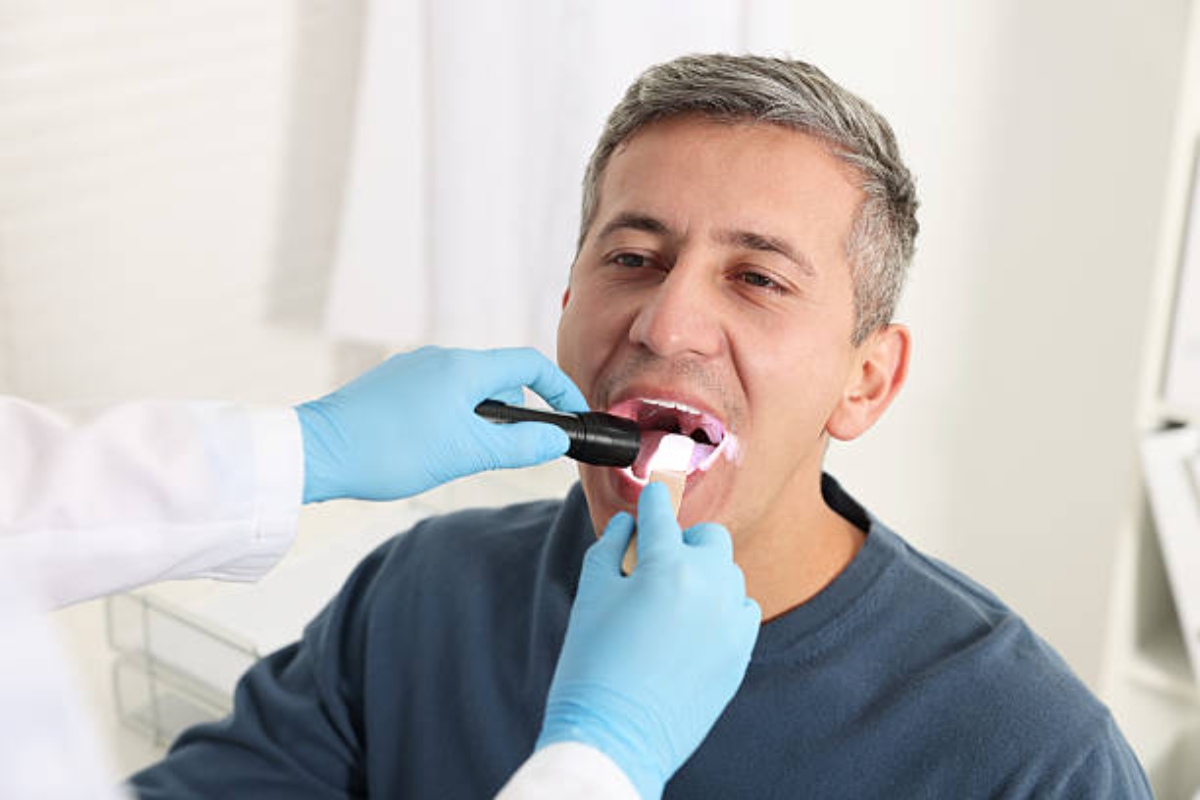
Cancer of the oral cavity can affect anyone, and early discovery can save lives. Earlier, it was usually discovered late, causing harder treatment. Dental technology has changed, and today an array of useful gadgets is available to dentists to help spot problems sooner. This blog explains how modern tools are improving oral cancer detection and why regular dental visits matter.
Understanding Oral Cancer
Oral cancer develops in the mouth, lips, tongue, cheeks, or throat. It may start as a small sore or patch that does not heal. Many people ignore these signs because they seem harmless. That is why dental visits are important. A trained dentist in Kitchener can notice changes that patients may miss during routine exams.
Why Early Detection Matters
The early detection of oral cancer results in better survival and less painful treatment. Less aggressive treatment is often needed for early-stage cancer. Thanks to new tools, dentists can identify changes before symptoms develop. This is how modern technology helps detect oral cancer early and protects long-term oral health.
Modern Tools Used in Oral Cancer Screening
Dental clinics now rely on advanced tools that go beyond visual checks. These tools help identify tissue changes at a very early stage.
Advanced oral cancer screening technology includes:
- Digital imaging systems that show detailed mouth images
- Special lights that highlight abnormal tissues
- Intraoral cameras for close-up views
- AI-assisted analysis for better accuracy
These tools are painless and quick. They are often part of regular discussions about how modern technology helps detect oral cancer early, making screening simple and stress-free.
Role of Digital Imaging in Early Detection
The role of digital imaging in oral cancer screening is very important. High-resolution images allow dentists to zoom in on areas that look suspicious. These images can be stored and compared over time. Small changes that happen slowly can be caught early. Digital imaging also helps dentists explain concerns clearly to patients.
Identifying Early Warning Signs with Technology
Some early signs are hard to see with the naked eye. Technology makes them easier to detect. The role of digital imaging in oral cancer screening
may include color changes, tissue thickening, or unusual cell activity. Special screening lights can reveal areas that need further testing, even when the mouth looks normal.
Technology and Routine Dental Visits
Modern screening tools work best when combined with regular visits. Dental checkups in Kitchener allow dentists to track changes over time. When patients visit a dental clinic near you consistently, dentists can notice differences faster. Routine exams also help patients learn what normal oral health looks like.
Benefits for Patients
Using modern technology offers many benefits for patients.
- Faster and more accurate detection
- Less invasive screening methods
- Better understanding of oral health
- Reduced anxiety through clear results
These benefits encourage people to attend regular checkups and take oral health seriously.
The Human Touch Still Matters
Dentists are enhanced by technology, but not replaced. An expert interprets outcomes and decides what to do next—all things like experience, training and patient history matter. When used along with technology, dentists can provide safe and reliable care.
Conclusion
Modern dental tools have transformed oral cancer screening. They help detect problems early, improve accuracy, and make exams more comfortable. At East Chestermere Dental, we use cutting-edge tools, thorough examinations, and patient education to facilitate early detection and save your tooth. Selecting a clinic that prefers the adoption of the latest medical innovations and preventive treatments can truly affect long-term health.
FAQs
What is oral cancer screening?
It is a painless exam where dentists use visual checks and technology to find early signs of oral cancer before symptoms become serious.
How often should oral cancer screening be done?
Screening is usually done during regular dental visits, often once or twice a year, depending on personal risk factors.
Is modern screening technology safe?
Yes. These tools are non-invasive, safe, and designed to detect changes without causing discomfort.
Who should get screened for oral cancer?
Adults of all ages should be screened, especially those who smoke, drink alcohol, or have a family history of cancer.