


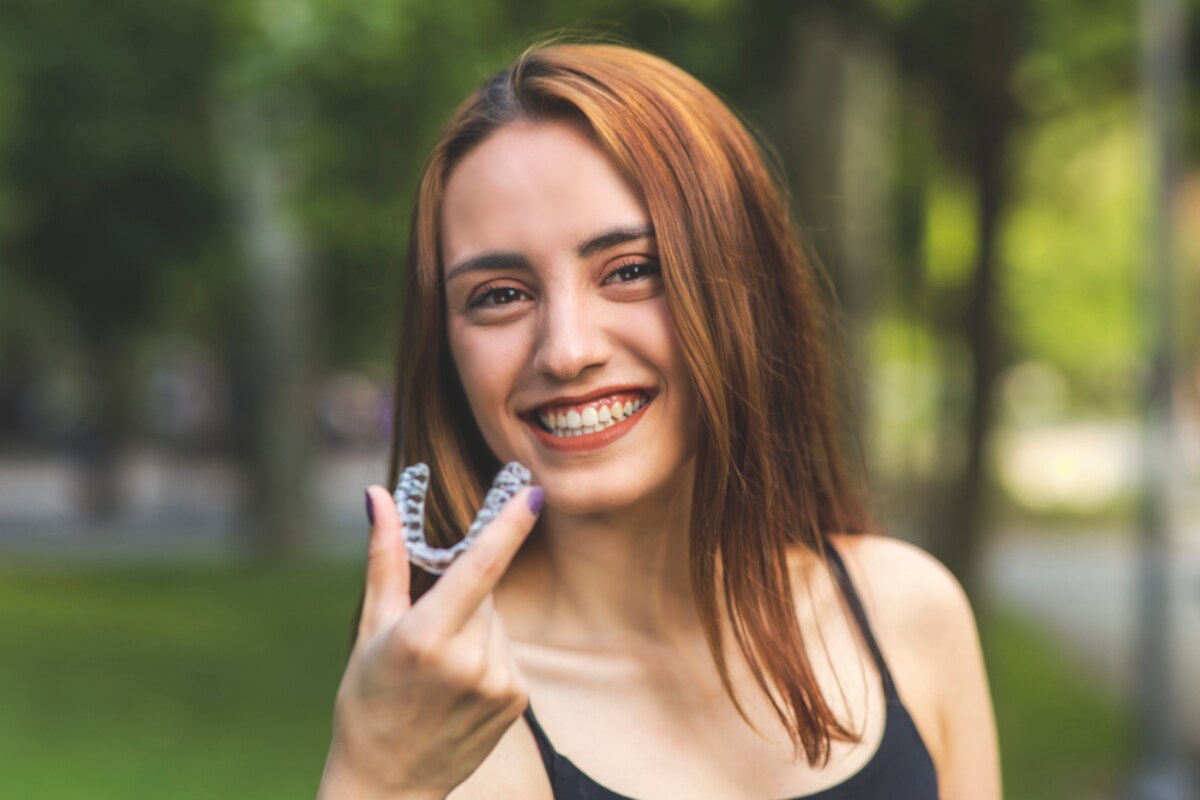
Mouthguards are needed to protect your teeth, be it to use during sports or during night grinding as well as to support your teeth during orthodontics. Yet one of the most raised concerns among people is: do mouthguards affect speech?
After visiting a dentist in Kitchener or even considering visiting one, one would naturally question how speech is affected by having a mouthguard. Most speech adjustments are fortunately temporary and change to the better as your mouth gets used to it.
Mouth guards in Kitchener, particularly custom-made ones, are of high quality, and they are fitted in the mouth. This makes it less bulky and allows one to remain clear when talking. OTC ones, though, are more likely to be thicker and have more pronounced effects on pronunciation.
What Speech Changes Can You Expect?
The initial time that you use a mouthguard, you might experience a slight difference in speech. These tend to ameliorate in a couple of days.
Normal Temporary Aphrastic Speech.
- Muffled or slight lisp.
- Problem with the pronunciation of s, t or th.
- Extra saliva production
- A slower speaking pace
This is due to the fact that your tongue and lips require time to acquire the new movements around the machine.
Why Mouthguards Affect Speech
The speech depends a lot on the position of the tongue, the airflow and the way your teeth will shape the sound. Before a mouthguard is placed, the biting surface becomes thickened, and this decreases the tongue space to a certain degree. OTC guards are bigger and custom guards are in the shape of natural curves of your teeth, thus easier and more comfortable to talk.
How to Improve Speech While Wearing a Mouthguard
In case you are asking yourself how to improve speech while wearing a mouthguard, a regular routine of practice will enable you to get used to it faster.
Useful Speech-Improvement Guidelines.
- Read aloud for 10–15 minutes daily
- Pronticate troublesome sounds like s/sh.
- Take your time to develop clarity.
- Put on the mouthguard regularly.
- A tailor-made design is preferable to enhance comfort.
The better your mouth is used to the device, the better you will naturally talk.
Custom vs. Over-the-Counter Mouthguards
The right mouthguard choice can be used to greatly improve the clarity of speech.
Custom-Fit Mouthguards
- Made to your own tooth impressions.
- Slimmer and less intrusive
- Minimal impact on speech
- Give a faster acculturation process.
Over-the-Counter Mouthguards
- Usually bulkier
- More likely to result in speech problems.
- May feel loose or discomposed.
- Demands more time to adjust.
A custom option is typically the best choice in the case of athletes, or any other person that needs to communicate clearly.
Do Speech Issues Go Away?
Yes. Their speech is also restored to normalcy in a few days to a couple of weeks by most people. Speaking starts to feel natural again, after your tongue gets accustomed to the new shape in your mouth. This can be slowed down by consistently removing the mouthguard, and one should wear it regularly.
When to See a Professional
In case it is still hard to speak, even in several weeks, or the mouthguard is too thick and uncomfortable, it might require modifications. The fit should be correct, secure and comfortable, which can be done by a dentist near you.
Speak Clearly Again—Protect Your Smile with Confidence
Want to have a comfortable, tailored fitted, mouthguard or have some difficulty with speech using your current one, make your appointment with Laurentian Dental Centre today!
📍 Find us easily on the Google map and plan your visit today!